In the Green Business Lab, sustainability is treated as an integrated business practice, not an add-on or a reporting exercise. Participants practice the business case for sustainability by making real-world decisions that affect efficiency, resilience, stakeholder relationships, and long-term value creation. Sustainability in the Lab is embedded in enterprise-level strategy and operations, reflecting the reality that these decisions cut across functions and shape overall organizational performance.
Business sustainability decisions influence, and are influenced by, strategy, operations, finance, technology, and stakeholder relationships across the enterprise.
The Green Business Lab is designed around this integrated reality. Sustainability is embedded directly into ongoing business decision-making, requiring participants to consider efficiency, resilience, innovation, stakeholder expectations, and long-term value creation as part of a single, evolving system.
Within the simulation, executive teams make interconnected decisions related to business scenarios, including these topics:
These decisions simultaneously shape financial performance, operational capacity, environmental outcomes, and social impact, reflecting how sustainability operates in real organizations.
To support this approach, the Lab includes tutorials that provide context and analytical grounding on topics such as:
These materials inform decision-making within the simulation, helping participants understand how sustainability considerations connect across functions and influence enterprise-level outcomes.
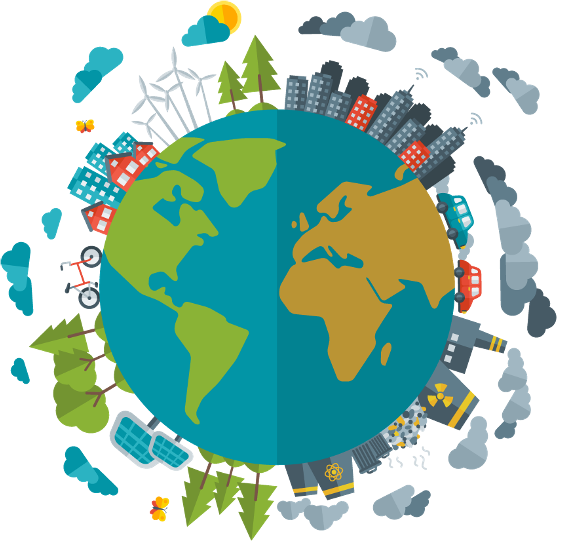
Business sustainability decisions influence, and are influenced by, strategy, operations, finance, technology, and stakeholder relationships across the enterprise.
The Green Business Lab is designed around this integrated reality. Sustainability is embedded directly into ongoing business decision-making, requiring participants to consider efficiency, resilience, innovation, stakeholder expectations, and long-term value creation as part of a single, evolving system.
Within the simulation, executive teams make interconnected decisions related to business scenarios including these topics:
These decisions simultaneously shape financial performance, operational capacity, environmental outcomes, and social impact, reflecting how sustainability operates in real organizations.
To support this approach, the Lab includes tutorials that provide context and analytical grounding on topics such as:
These materials inform decision-making within the simulation, helping participants understand how sustainability considerations connect across functions and influence enterprise-level outcomes.

The business case for sustainability is developed through practice, not abstraction. In the Green Business Lab, participants engage directly with sustainability as a set of business decisions that influence performance, resilience, and long-term value creation.
Participants work as an executive team, making and communicating decisions under real constraints. They evaluate trade-offs, pursue efficiency, respond to changing conditions, engage stakeholders, and allocate resources, using sustainability as a lever for competitiveness and strategic advantage.
Through repeated decision cycles, participants practice how sustainability initiatives can:
Rather than treating sustainability as a separate objective, the Lab embeds it in core business strategy. Participants identify, test, and apply the business case for sustainability as they compete, adapt, and make decisions that shape financial performance, environmental outcomes, and social impact over time.
The business case for sustainability is developed through practice, not abstraction. In the Green Business Lab, participants engage directly with sustainability as a set of business decisions that influence performance, resilience, and long-term value creation.
Participants work as an executive team, making and communicating decisions under real constraints. They evaluate trade-offs, pursue efficiency, respond to changing conditions, engage stakeholders, and allocate resources, using sustainability as a lever for competitiveness and strategic advantage.
Through repeated decision cycles, participants practice how sustainability initiatives can:
Rather than treating sustainability as a separate objective, the Lab embeds it in core business strategy. Participants identify, test, and apply the business case for sustainability as they compete, adapt, and make decisions that shape financial performance, environmental outcomes, and social impact over time.
The Green Business Lab is set within a fictional industry similar to those found in the mobility or transportation sector. This context is intentionally designed to support applied learning in business sustainability.
Sustainability challenges vary significantly by industry. Issues such as resource use, emissions, labor practices, supply-chain exposure, and regulatory pressure differ across sectors, which is why real-world reporting and benchmarking organizations rely on sector-specific frameworks and comparisons. Effective sustainability decision-making depends on understanding this variation.
The Lab’s fictional industry design allows participants to engage with sustainability issues drawn from across multiple sectors rather than being limited to the constraints of a single real-world product or industry. Participants encounter a wide range of sustainability challenges and opportunities, building exposure to diverse business contexts while working within a coherent competitive environment.
Because the industry is fictional but familiar, the simulation remains flexible and broadly applicable. Participants draw on examples from manufacturing, services, technology, infrastructure, and consumer-facing industries, and they readily transfer decision logic and strategic insights to other organizational settings after the simulation.
Although the industry is fictional, the simulation is calibrated to real-world business performance. Participants work with familiar metrics such as income statements, balance sheets, and energy consumption reports, reinforcing the connection between sustainability decisions and enterprise-level outcomes.

The Green Business Lab is set within a fictional industry similar to those found in the mobility or transportation sector. This context is intentionally designed to support applied learning in business sustainability.
Sustainability challenges vary significantly by industry. Issues such as resource use, emissions, labor practices, supply-chain exposure, and regulatory pressure differ across sectors, which is why real-world reporting and benchmarking organizations rely on sector-specific frameworks and comparisons. Effective sustainability decision-making depends on understanding this variation.
The Lab’s fictional industry design allows participants to engage with sustainability issues drawn from across multiple sectors rather than being limited to the constraints of a single real-world product or industry. Participants encounter a wide range of sustainability challenges and opportunities, building exposure to diverse business contexts while working within a coherent competitive environment.
Because the industry is fictional but familiar, the simulation remains flexible and broadly applicable. Participants draw on examples from manufacturing, services, technology, infrastructure, and consumer-facing industries, and they readily transfer decision logic and strategic insights to other organizational settings after the simulation.
Although the industry is fictional, the simulation is calibrated to real-world business performance. Participants work with familiar metrics such as income statements, balance sheets, and energy consumption reports, reinforcing the connection between sustainability decisions and enterprise-level outcomes.


We're happy to have you join us! Subscribe & receive our latest posts in your inbox. We respect your privacy & never share your information. You can unsubscribe at any time.

