You decide how much to assess. The Lab has three gradeable parts: the simulation results, the board presentation, and the reflection questions that teams and companies answer. You can grade any or all of them. Rubrics come with each, so you are never starting from a blank page.
Before the simulation begins, you set the weight for each item you want to grade. As teams play, the Lab records the scores. At the end, you download one spreadsheet with an overall weighted total and a column for every category, ready to upload to your learning management system.
Grading here protects learning rather than interfering with it. Results count only at the final cycle, so teams can experiment, stumble, and recover without an early mistake following them to their grade. That freedom is where the real learning happens.

You decide how much to assess. The Lab has three gradeable parts: the simulation results, the board presentation, and the reflection questions that teams and companies answer. You can grade any or all of them. Rubrics come with each, so you are never starting from a blank page.
Before the simulation begins, you set the weight for each item you want to grade. As teams play, the Lab records the scores. At the end, you download one spreadsheet with an overall weighted total and a column for every category, ready to upload to your learning management system.
Grading here protects learning rather than interfering with it. Results count only at the final cycle, so teams can experiment, stumble, and recover without an early mistake following them to their grade. That freedom is where the real learning happens.
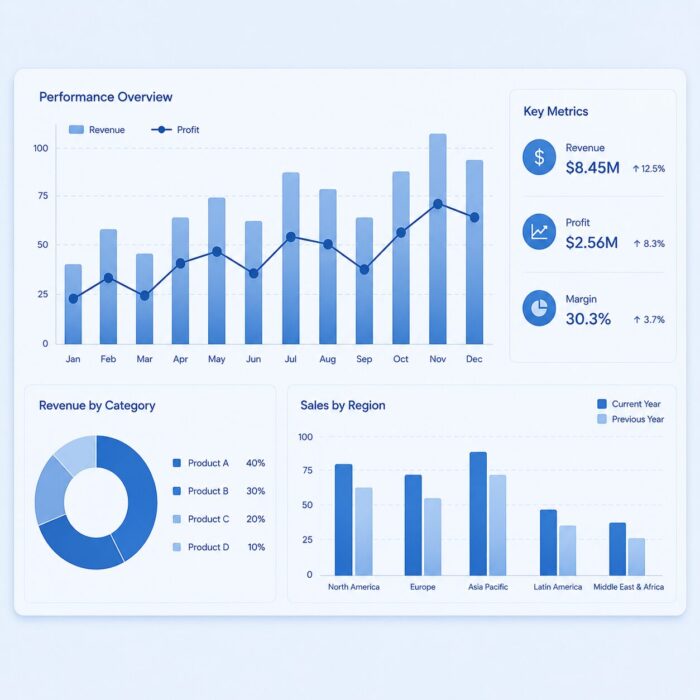
The Lab measures the financial, environmental, and social performance of each company automatically. Teams receive an Income Statement, Balance Sheet, and Cash Flow Statement, a Pollution Impact report, and an Energy Consumption report, each across five lifecycle stages, and three social assessments covering Customer and Community Care, Labor Practices, and Stakeholder Engagement.
The Lab scores every part automatically, to the same standard for every team, with no instructor judgment involved. Each score traces back to the team’s own decisions, so it is easy to stand behind if a student questions it, and it is identical whether you are running five teams or fifty.
The business results are scored for you.
The Lab measures the financial, environmental, and social performance of each company automatically. Teams receive an Income Statement, Balance Sheet, and Cash Flow Statement, a Pollution Impact report, and an Energy Consumption report, each across five lifecycle stages, and three social assessments covering Customer and Community Care, Labor Practices, and Stakeholder Engagement.
The Lab scores every part automatically, to the same standard for every team, with no instructor judgment involved. Each score traces back to the team’s own decisions, so it is easy to stand behind if a student questions it, and it is identical whether you are running five teams or fifty.
Strong leaders can explain and defend their decisions out loud, and look ahead with a clear view of where they are taking the company. The board meeting is the final act of the Lab. Each executive team gives the rationale for the decisions they have made, and presents a vision for where the company should go next.
You score the presentation on a structured survey, played to a board made up of you and any guests you invite, with an optional review of individual presentation skills. The other companies can take part too, assessing each presentation in a peer evaluation that you may count toward the grade or use purely for engagement and feedback.

Strong leaders can explain and defend their decisions out loud, and look ahead with a clear view of where they are taking the company. The board meeting is the final act of the Lab. Each executive team gives the rationale for the decisions they have made, and presents a vision for where the company should go next.
You score the presentation on a structured survey, played to a board made up of you and any guests you invite, with an optional review of individual presentation skills. The other companies can take part too, assessing each presentation in a peer evaluation that you may count toward the grade or use purely for engagement and feedback.
You can go further, and the Lab helps you do it. Two optional written pieces deepen the learning and make it last, and the Lab drafts a score and feedback for each, which you review and accept or adjust. You keep control of the grade while the first pass is done for you.
You can go further, and the Lab helps you do it. Two optional written pieces deepen the learning and make it last, and the Lab drafts a score and feedback for each, which you review and accept or adjust. You keep control of the grade while the first pass is done for you.
Sustainability rests on transparency, so the Lab is built to be transparent. Sales, for example, are not a black box. Teams can see exactly how their decisions move the numbers. What they cannot see is what their competitors will choose, which keeps the strategic challenge real.
Assessment is woven into that same system. Many decisions and projects feed back into company performance. An efficiency gain improves results, a workforce policy shapes labor practices, and a strong campaign increases sales. Choices carry consequences inside the business itself, which is what makes the experience matter.
By the end, teams have not just studied how a business works, they have run one.

Sustainability rests on transparency, so the Lab is built to be transparent. Sales, for example, are not a black box. Teams can see exactly how their decisions move the numbers. What they cannot see is what their competitors will choose, which keeps the strategic challenge real.
Assessment is woven into that same system. Many decisions and projects feed back into company performance. An efficiency gain improves results, a workforce policy shapes labor practices, and a strong campaign increases sales. Choices carry consequences inside the business itself, which is what makes the experience matter.
By the end, teams have not just studied how a business works, they have run one.


We're happy to have you join us! Subscribe & receive our latest posts in your inbox. We respect your privacy & never share your information. You can unsubscribe at any time.

